From a Small Herbalist to the Leading Herbal Producer in Austria
In 2025, KOTTAS PHARMA and the Kottas-Heldenberg family are celebrating an impressive 230-year company history. It all began over two centuries ago with a modest stall on Freyung, one of the most famous squares in Vienna’s city centre. To this day, the family business is deeply connected to this historic location and continues to carry the traditional herbal knowledge and expertise that has grown over the centuries into the future.
The Beginnings: The Small Shop on Freyung
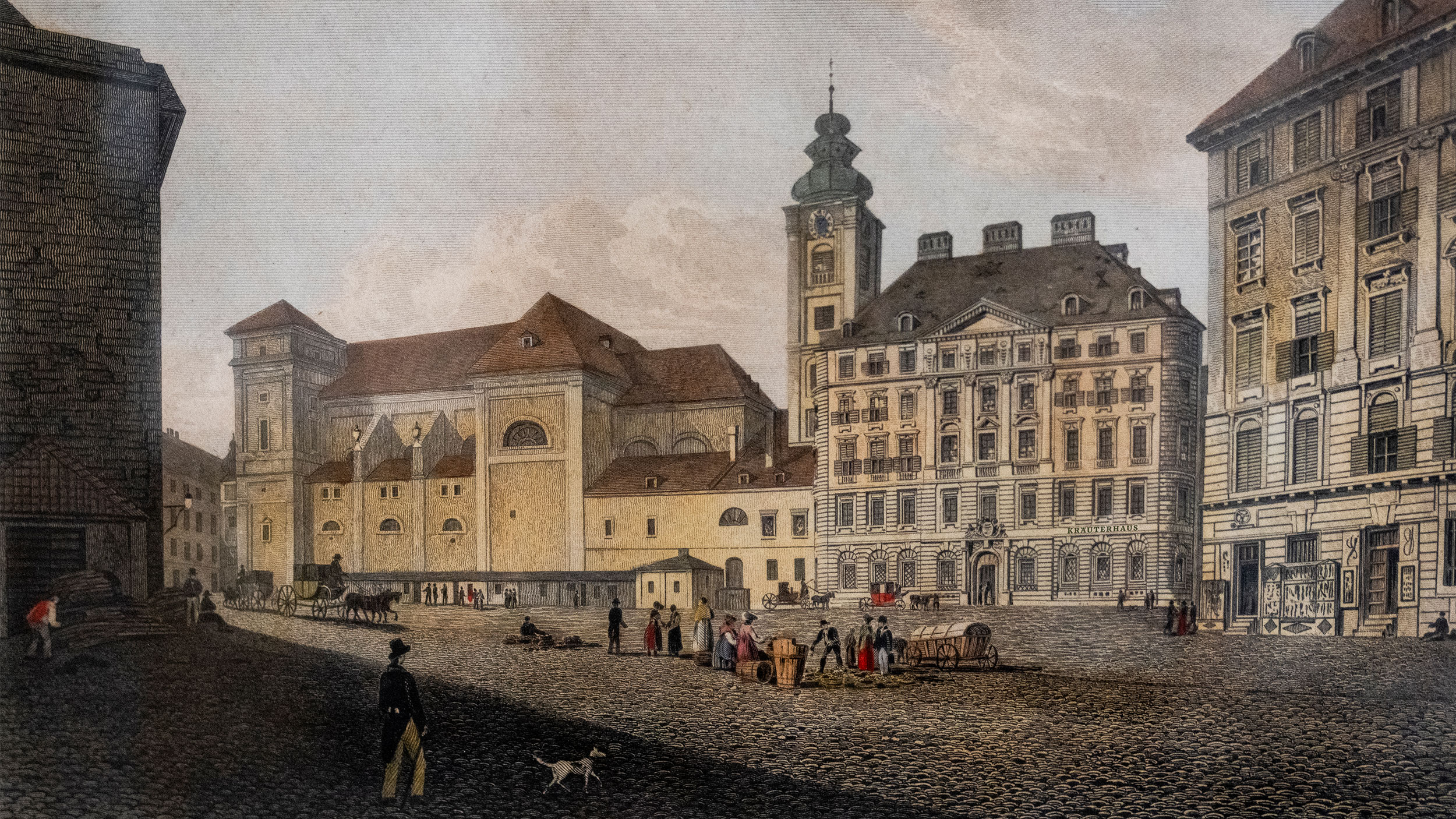
Our company history begins in the 18th century, a particularly exciting and dynamic period in Vienna’s history. After surviving the plague epidemics and several eventful centuries, the city begins to grow steadily again. The reforming Emperor Joseph II brought a breath of fresh air to the city administration, and building activity flourished in all corners of Vienna. The Freyung in today’s 1st district is bustling with market activity. Small stalls are lined around the square selling fresh fruit, vegetables and herbs. The Kottas-Heldenberg family is also represented at this market as one of the so-called ‘Dürrkräutler’. This was the name given to traders selling dried herbs at that time.
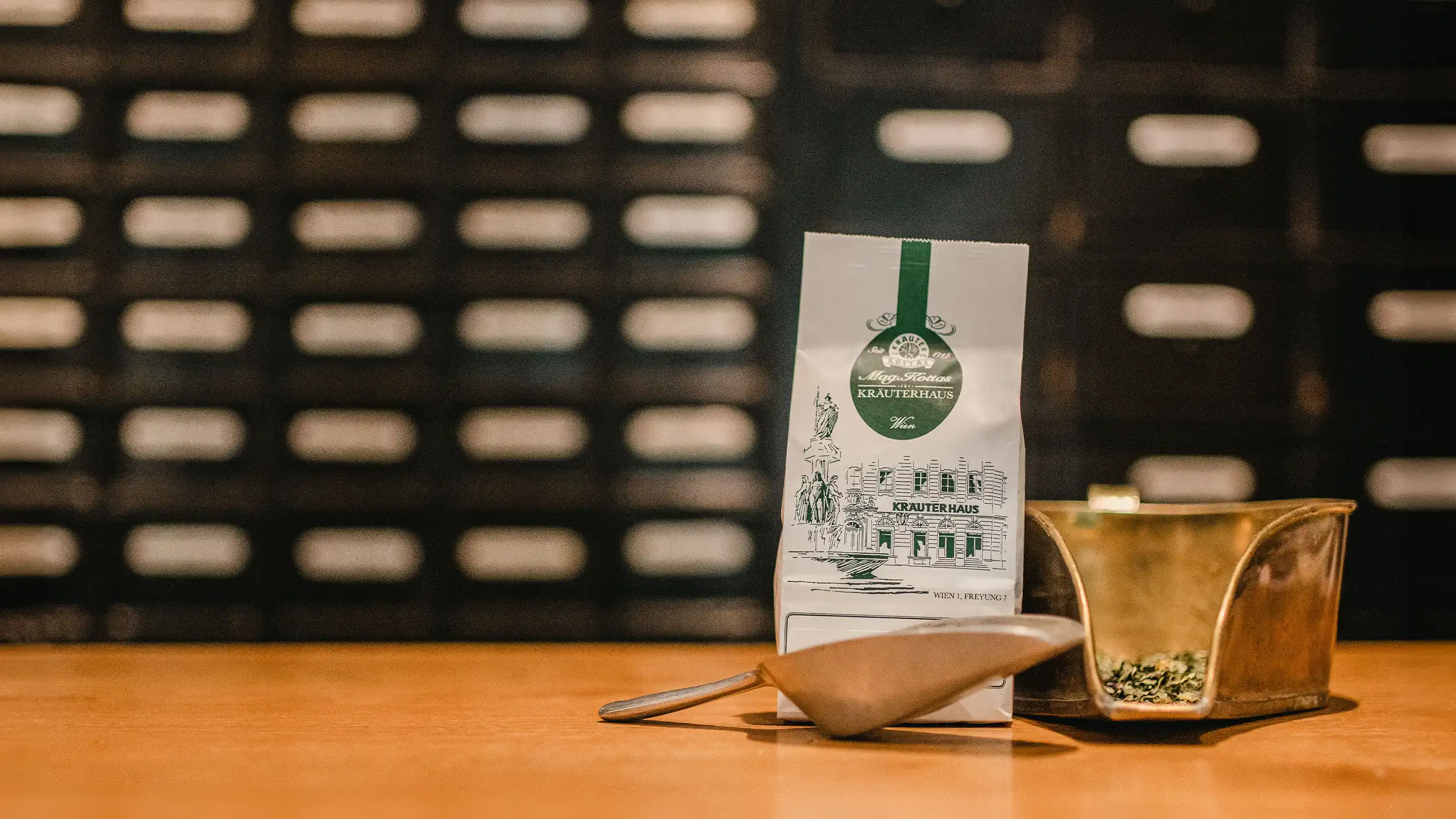
In 1795 – when Franz II reigned as the last emperor of the Holy Roman Empire – the sales location was finally expanded: Anton Kottas-Heldenberg opened the Medicinische Kräuter Handlung (Medicinal Herbal Shop) in the priory house of the Schottenstift, also known as the ‘Schubladkastenhaus’ (Drawer Box House, built in 1774), thus laying the foundations for the successful family business. The small shop on Freyung is still run by the Kottas-Heldenberg family today – now under the name KOTTAS Kräuterhaus.
19th Century
The 19th century was the beginning of a turbulent era for Vienna. The city was twice invaded by Napoleon’s troops, in 1814/15 it served as the venue for a congress that enabled a long period of peace, and in 1848 the revolution broke out. Meanwhile, over the next generations of the family, the Medicinische Kräuter Handlung develops into a sought-after address for medicinal herbs. The small business was initially unknown outside the capital of the Austrian Empire. This changed at the end of the 19th century, when the expansion of the pharmacy gradually took shape.
Although the city was increasingly flourishing on the outside, the living conditions of the people were precarious. Diseases such as tuberculosis and gastrointestinal infections are widespread in Austria. The Kottas-Heldenberg family has always been keen to offer products that meet the needs of the times. At that time, they developed special herbal mixtures to alleviate these complaints.
Early 20th Century
At the beginning of the 20th century, herbal remedies remained in demand.
After the First World War, there is a severe food shortage and the little food available is often contaminated. Large sections of the Viennese population suffer from gastrointestinal infections caused by worms. To help the people, the Kottas-Heldenberg family developed a so-called ‘worm tea’. The demand is so great that queues of people form outside the Medicinische Kräuter Handlung and the tea has to be rationed.
In the years that followed, many herbal formulas were developed further. Some of these tea blends – such as the gastrointestinal tea or the heart and circulatory tea – are still available today in unchanged form in the KOTTAS Kräuterhaus.
The small shop on Freyung was not able to get through the Second World War unscathed. In the autumn of 1944, it was hit during an air raid.
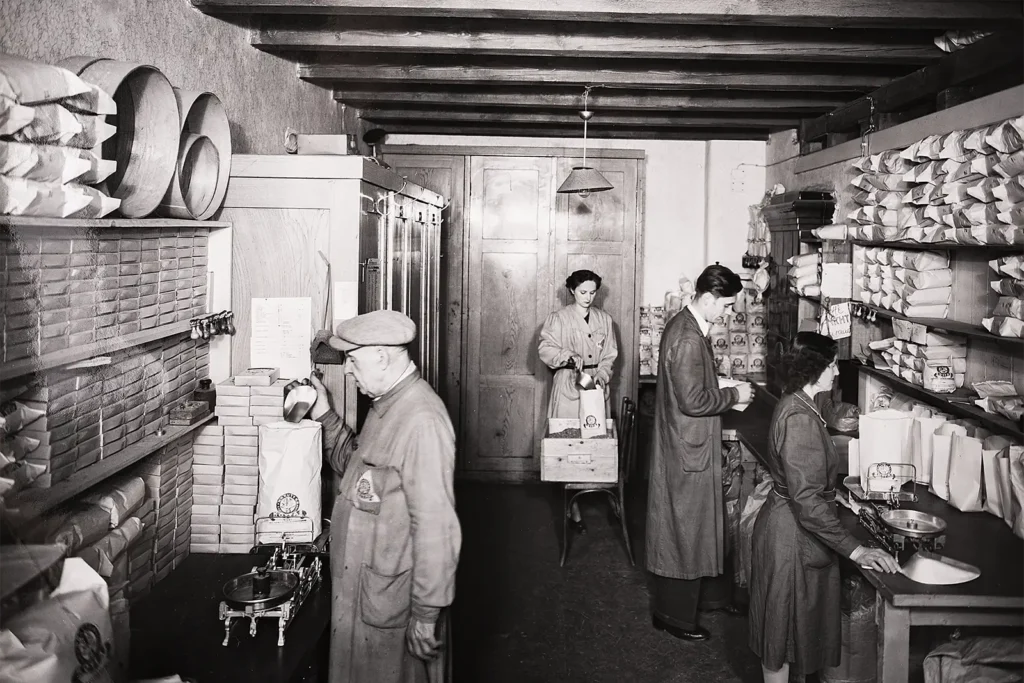
Upswing in the Post-War Period
In the war and post-war years, there is a return to natural remedies. As many medicines became scarce, herbs to alleviate various ailments gained a new appreciation.
At that time, medicinal herbs from all over the world were difficult to obtain in Austria. The Kottas-Heldenberg family travelled to Genoa, Hamburg and other cities to buy herbs directly from the ship at international ports.
Later, they travelled to important tea nations such as Sri Lanka, India and Japan. Some of the business relationships established back then still exist today, including the long-standing collaboration with a small Japanese family business that supplies the green tea.
A New Chapter: Establishment of the Medicinal Herb Wholesale Business
In view of the enormous demand for medicinal plants in pharmacies, the Kottas-Heldenberg family begins to procure medicinal herbs on a larger scale and supply them. The KOTTAS medicinal herb wholesale business is established as a second business segment alongside the retail business Mag. Kottas Kräuterhaus (formerly Medicinische Kräuter Handlung).
In order to meet the growing demand, a new production building for further processing is built in Vienna’s Mauer district (23rd district) in the 1960s. Over time, KOTTAS expands its range to 600 medicinal herbs. The family business still offers this impressive number of medicinal plants in a wide variety of forms – from cut to ground to granulated.
Another variation is added with the KOTTAS teas in filter bags. From 1965, these are available under the name ‘Kräuterexpress’ (Herbal express> in the Mag. Kottas Kräuterhaus and in pharmacies. The name ‘Kräuterexpress’ refers to the faster preparation method compared to loose tea. To enable the production of large quantities, the first high-performance filter bag machine is purchased at the beginning of the 1970s.
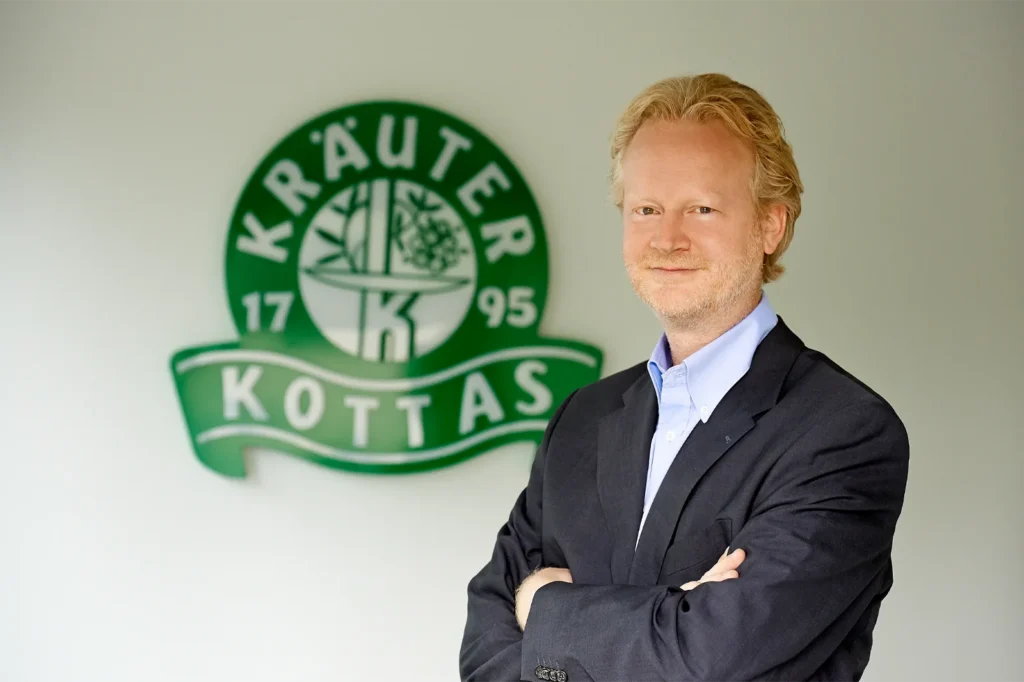
Dr Alexander-Kottas-Heldenberg
The Transformation into a Pharmaceutical Company in the 2000s
KOTTAS advances to become one of Austria’s leading producers of medicinal herbs and is now a partner to numerous companies in the medical sector and beyond, supplying pharmacies, drugstores and the food and cosmetics industry with medicinal herbs of pharmacopoeia quality.
In 1989, Dr Alexander Kottas-Heldenberg joined the family business alongside his father, in addition to his work as a doctor. In 2000, he takes over the reins of the company. He expands KOTTAS into a pharmaceutical company and initiates extensive modernisation. In 2006, new warehouses, a high-bay warehouse and an office building are built in the 23rd district, and the company headquarters are relocated from the 1st to the 23rd district. The production facility in Vienna Mauer is expanded and state-of-the-art filter bag machines are acquired.
Thanks to the vision and leadership of Dr Alexander Kottas-Heldenberg and his wife Dr Bettina Kottas-Heldenberg, who is also a doctor, DR. KOTTAS has established itself as a leading brand in Austrian pharmacies. The company is consistently one of the top 10 OTC brands and has ranked among the top 3 OTC brands in Austria since 2016.
Tradition and Innovation: The Success Story Continues
The production of DR. KOTTAS medicinal teas is carried out in compliance with the highest quality standards. Certified according to GMP (Good Manufacturing Practice), KOTTAS ensures that the herbal medicines fulfil the strict guidelines. The medicinal teas are preferably made from local medicinal herbs. Dr Alexander Kottas-Heldenberg promotes and supports the cultivation of important medicinal herbs in Austria. As a doctor, it is important to him to combine phytotherapy (herbal medicine) on the basis of traditional knowledge with the latest scientific findings and to apply it seriously.
Dr Alexander Kottas-Heldenberg is pushing ahead with the expansion of the existing range and adding high-quality nutritional supplements to the product portfolio. The KOTTAS Kräuterhaus Online-Shop is launched in 2018. This gives customers outside Vienna the opportunity to purchase products from KOTTAS Kräuterhaus (formerly Mag. KOTTAS Kräuterhaus) online.
9th generation of the KOTTAS family business is ready to preserve and pass on the valuable herbal knowledge like the previous generations.

The KOTTAS company headquarters with warehouse facilities at Eitnergasse 8, 1230 Vienna.
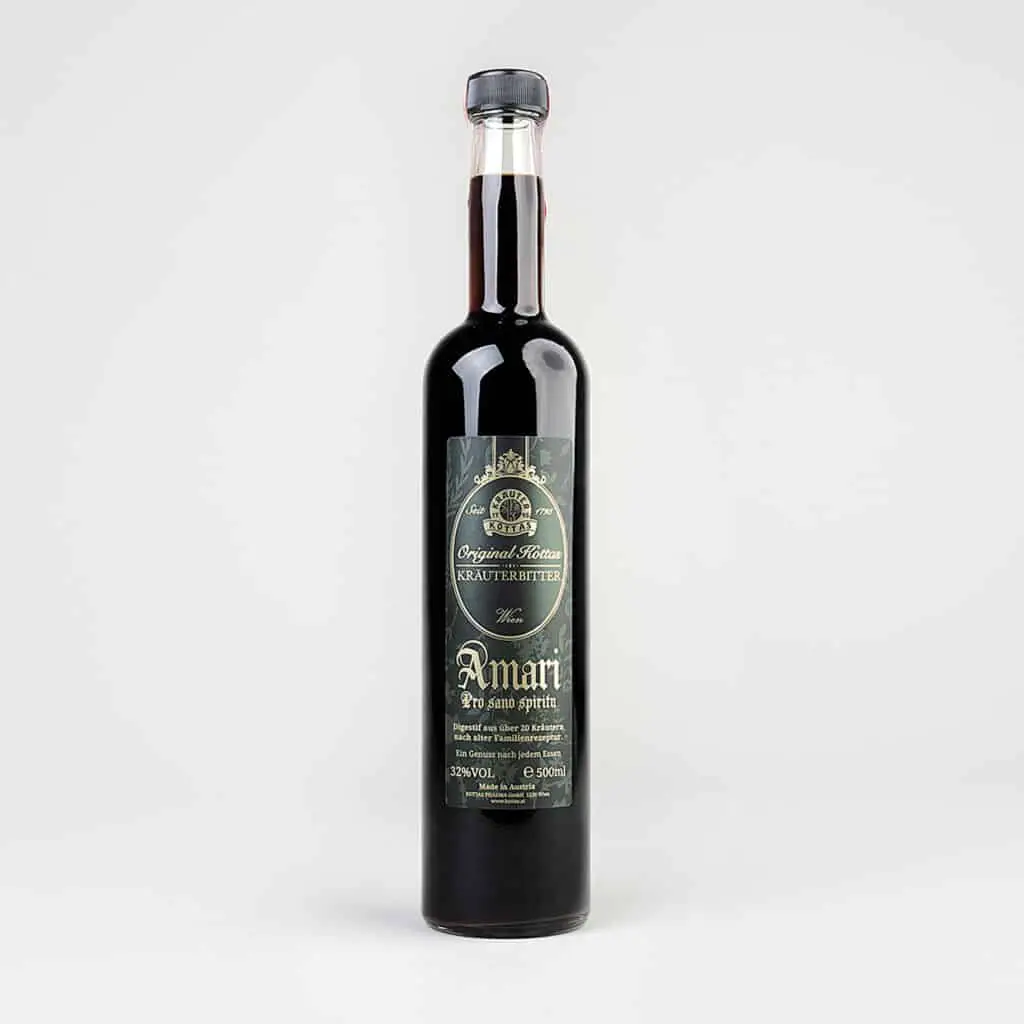
Herbal Bitter Amari
from €3.90
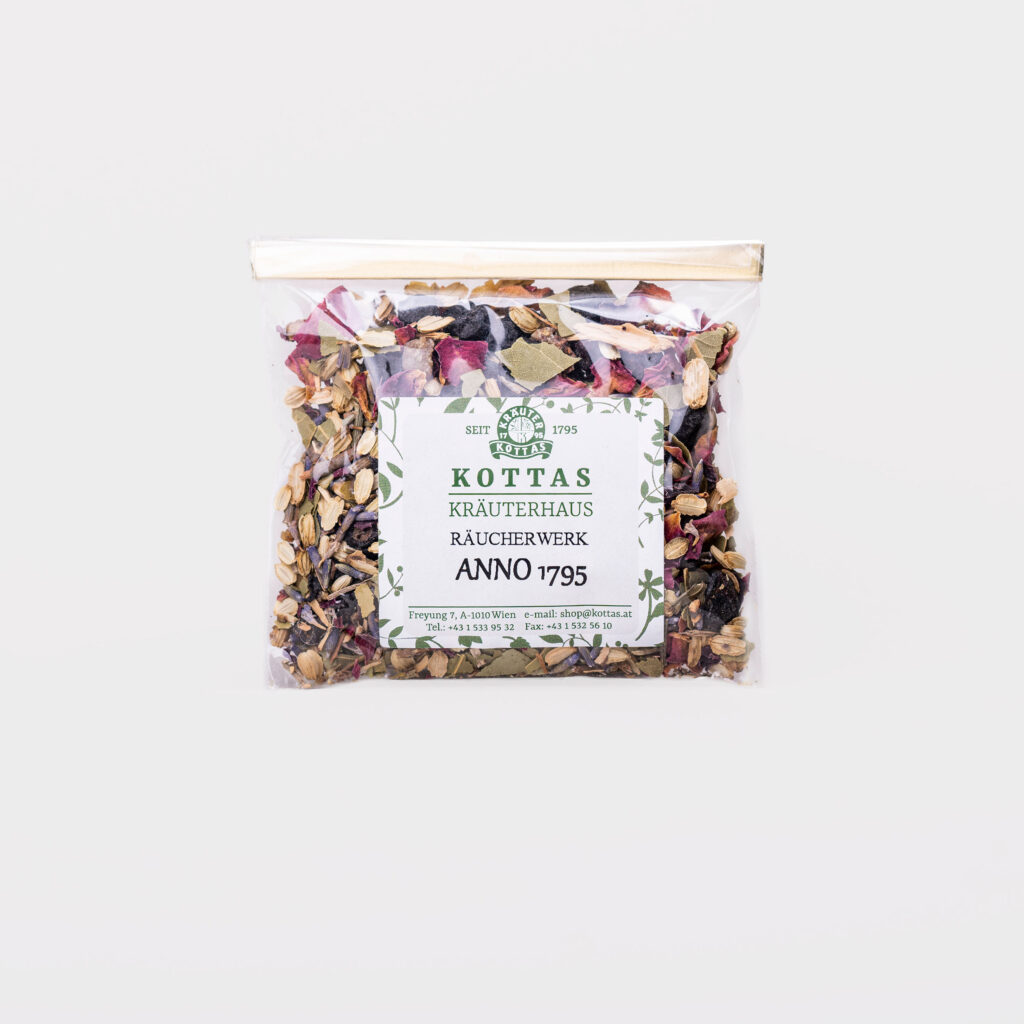
Incense Blend Anno 1795
€6.90
Liver Bile Forte
€21.50

Organic Anniversary Tea
€6.10